Nouveau paragraphe
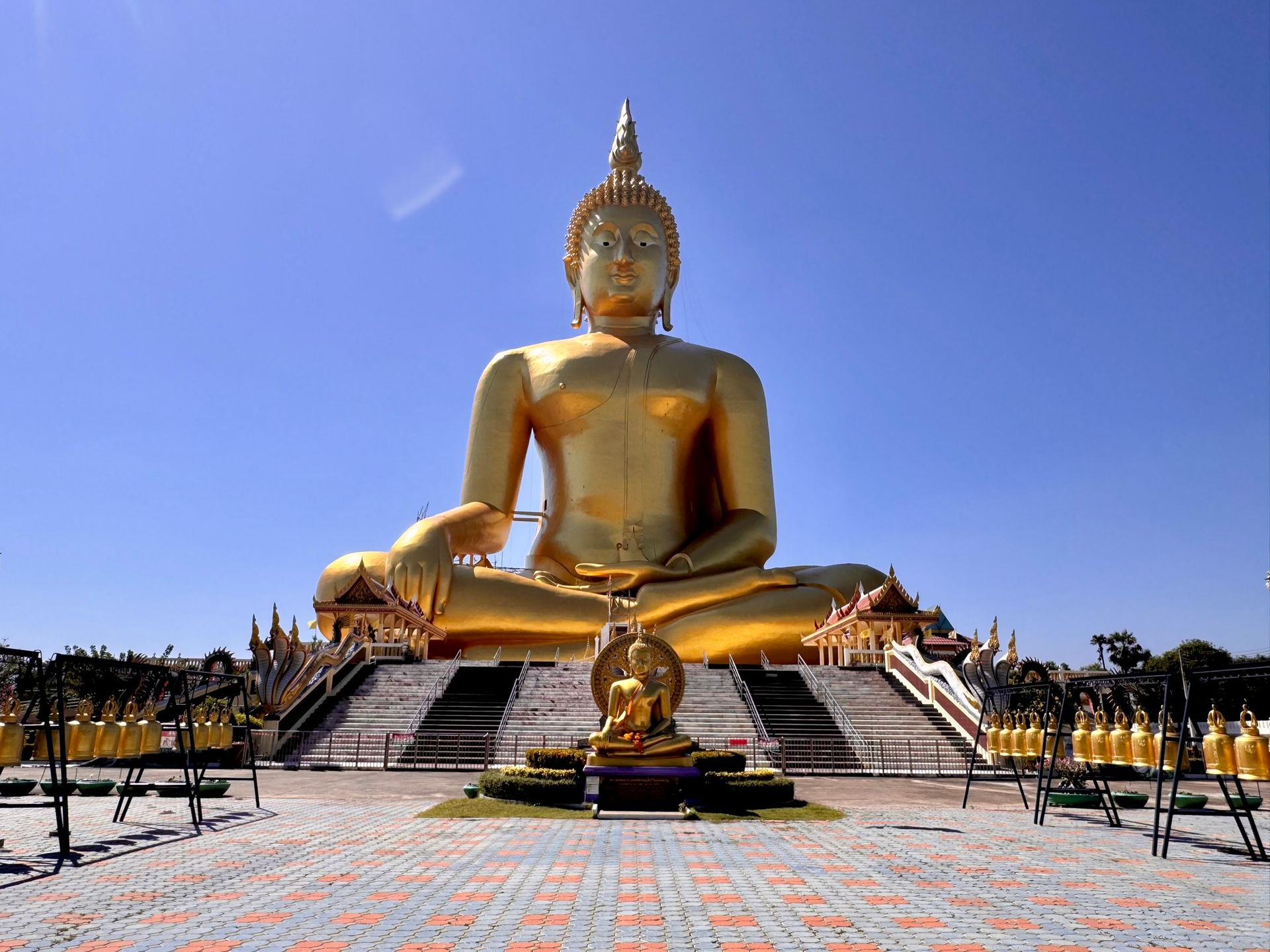
Pictured Wat Muang Ang Thong
Thai Buddhist Art & Amulets — Panayotis Zamaros
An original research contribution by Prof. Dr. Panayotis Zamaros — comprising a systematic study of Thai Buddhist art, including Buddha postures (ปาง), amulets (พระเครื่อง), mudras, and iconographic frameworks, with the introduction of the Post-Rattanakosin period as a new art period for the study of amulets.
About this page
This page presents Thai Buddhist art through a structured and accessible framework. It brings together key forms such as Buddha postures (ปาง, Pang), objects such as amulets (พระเครื่อง, Pra Khrueang), and contexts such as temples (วัด, Wat), while also providing the historical and conceptual background needed to understand them. The aim is to make this material readable without reducing its complexity. Rather than approaching each element in isolation, the site is organized to show how visual forms, material objects, and interpretative frameworks relate to one another within Thai Buddhist culture.
เว็บไซต์นี้นำเสนอศิลปะพุทธศาสนาไทยผ่านโครงสร้างที่เป็นระบบและเข้าถึงได้ โดยรวบรวมองค์ประกอบสำคัญ ได้แก่ ปางพระพุทธรูป วัตถุ เช่น พระเครื่อง และบริบท เช่น วัด พร้อมทั้งให้พื้นฐานทางประวัติศาสตร์และแนวคิดที่จำเป็นต่อความเข้าใจ. จุดมุ่งหมายคือทำให้เนื้อหานี้เข้าใจได้โดยไม่ลดทอนความซับซ้อน แทนที่จะพิจารณาแต่ละองค์ประกอบแยกจากกัน เว็บไซต์นี้จัดโครงสร้างเพื่อแสดงความสัมพันธ์ระหว่างรูปแบบทางทัศนศิลป์ วัตถุทางวัฒนธรรม และกรอบการตีความภายในบริบทของพุทธศิลป์ไทย.
Core Buddhist Forms
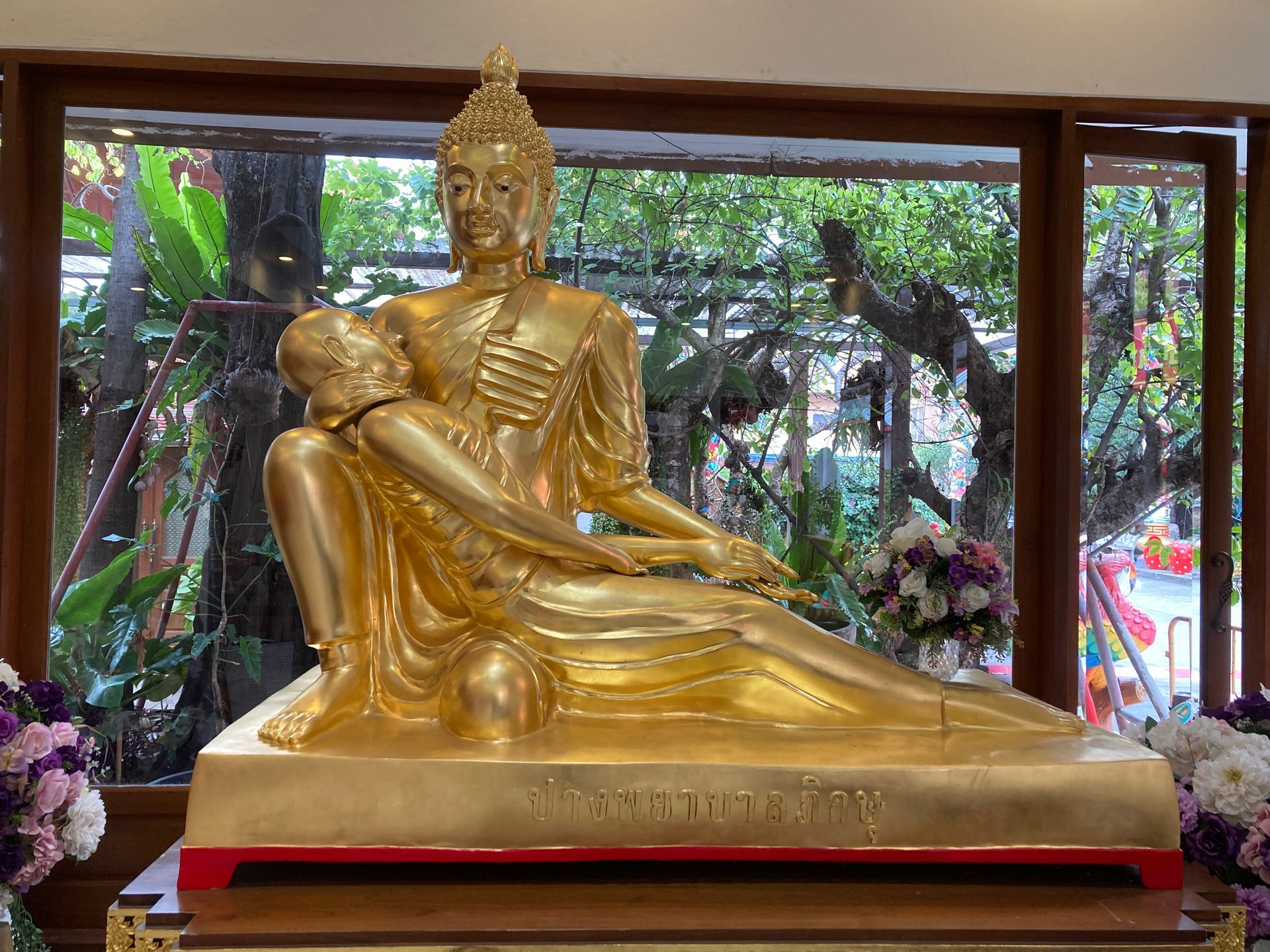
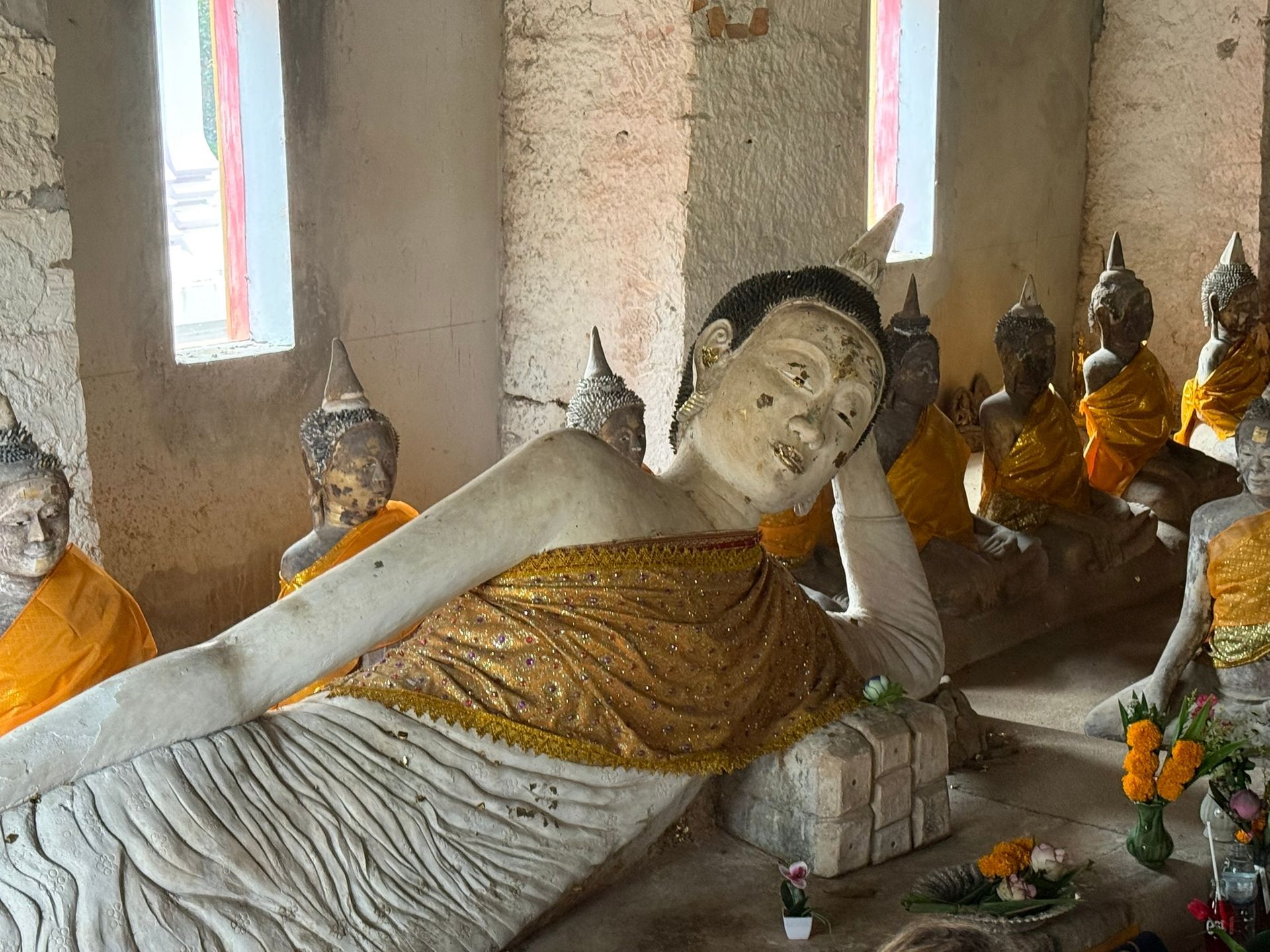
This section presents the main visual representations of the Buddha in Thailand, including Buddha postures (ปาง, Pang) and the Reclining Buddha (ปางไสยาสน์, Pang Saiyat). These forms follow established conventions and are part of a structured iconographic system. It explains how these forms are identified, what distinguishes them, and how meaning is expressed through gesture, proportion, and composition.
ส่วนนี้นำเสนอรูปแบบการแสดงพระพุทธรูปหลักในประเทศไทย ได้แก่ ปางพระพุทธรูป (ปาง, Pang) และพระพุทธรูปปางไสยาสน์ (ปางไสยาสน์, Pang Saiyat) ซึ่งล้วนเป็นรูปแบบที่อยู่ภายใต้แบบแผนที่กำหนดไว้อย่างเป็นระบบ. เนื้อหาจะอธิบายวิธีการจำแนกรูปแบบ ความแตกต่างของแต่ละรูปแบบ และการแสดงความหมายผ่านท่าทาง สัดส่วน และองค์ประกอบของภาพ.
BUDDHA POSTURES
Buddha statues are particular in that they present postures/poses (ปาง) representing the life stages and events associated with the teachings and travels of Gautama Buddha.
The first file presents 90 such postures considering variations of the 80 canonical forms representing the age the Blessed One passed which are found in two places, Wat Phra Pathom Chedi Ratchaworamahawihan and Wat Krathum Suea Pla
Buddha Postures (Pang) Presentation (2025) (detailed presentation of 90 Buddha Postures and other images)
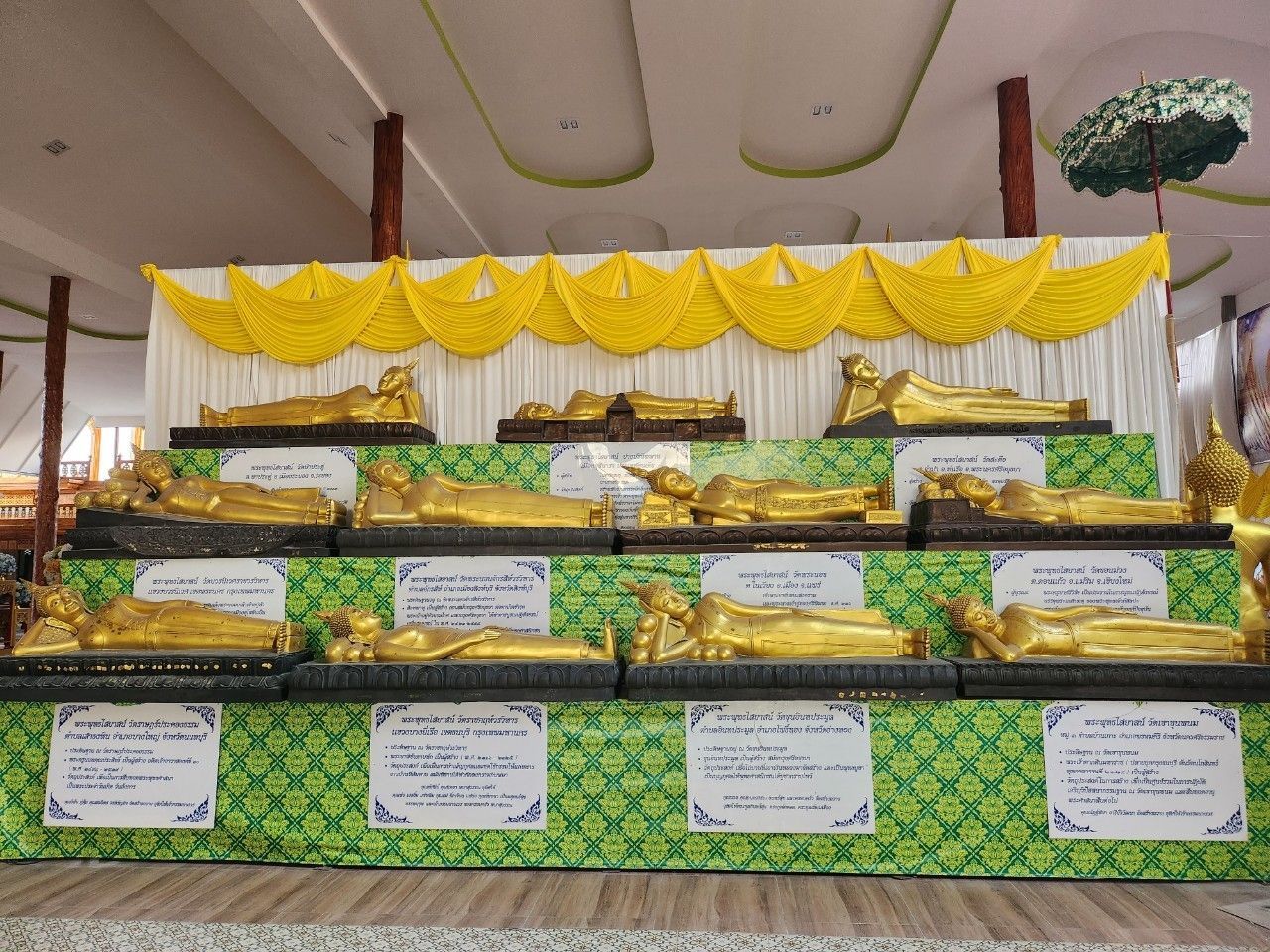
The second file, "The Mystery of the Beauty of Reclining Buddha Postures" presents in more detail 9 reclining postures, which are part of the first file, especially the 30-50-meter-long monuments found around Thailand. The accompanying file is a list of reclining Buddhas with a brief description and indication of their location.
The Mystery of the Beauty of Reclining Buddha Postures (2024, revised 2026) (an outline of Reclining Postures)
Locating the Reclining Buddhas (2026) (Excel sheet with a comprehensive list)
The third file "Decoding the Code" establishes for each of the 90 postures the elements that make up the posture, the gestures of hands and feet and the pose. A handy complementary file is "Double and Single Right-Handed Buddha Mudras" which shows the most important hand gestures in Buddhist iconography.
Double and Single Right-Handed Buddha Mudras (2025) (presenting key hand gestures with Posture pictures)
The file "Pang Listings" simply presents all possible lists that exist for Buddha statues, such as week days, months, years, creation as per art periods etc. The last file establishes the relationship between the character of a person informed by a Day Deity and the associated Buddha Postures.
Pang Listings (2024) (presenting all sort of ways to categorize and list Buddha Postures)
The last file establishes the relationship between the character of a person informed by a Day Deity and the associated Buddha Postures.
Person Characters Across Day and Buddha Symbolics (2024) (establishing the relationship between the Day Deity and the associated Day Buddha Postures)
These files present an academic discussion of the Buddha Postures, starting from the origins of Buddha artefacts (Excerpt 1) ... more to come ...
Sites of Worship
This section presents the spatial and material contexts of Thai Buddhist worship: the temple complex (วัด, Wat) as an organised precinct of religious, educational, and communal life, and the Buddha footprint (พุทธบาท, Buddhapāda) as one of the oldest auspicious markers of the Buddha's presence on earth. Both are examined here through their structure, regional variation, and devotional function.
ส่วนนี้นำเสนอบริบทเชิงพื้นที่และวัตถุของการบูชาในพุทธศาสนาไทย ได้แก่ วัด (Wat) ในฐานะเขตศักดิ์สิทธิ์ที่จัดระบบชีวิตทางศาสนา การศึกษา และชุมชน และพุทธบาท (Buddhapāda) ในฐานะหนึ่งในสัญลักษณ์มงคลที่เก่าแก่ที่สุดอันบ่งบอกถึงการเสด็จของพระพุทธองค์บนพื้นพิภพ. รูปแบบทั้งสองได้รับการพิจารณาผ่านโครงสร้าง ความแตกต่างตามภูมิภาค และบทบาทเชิงศรัทธา.
TEMPLES - Wat
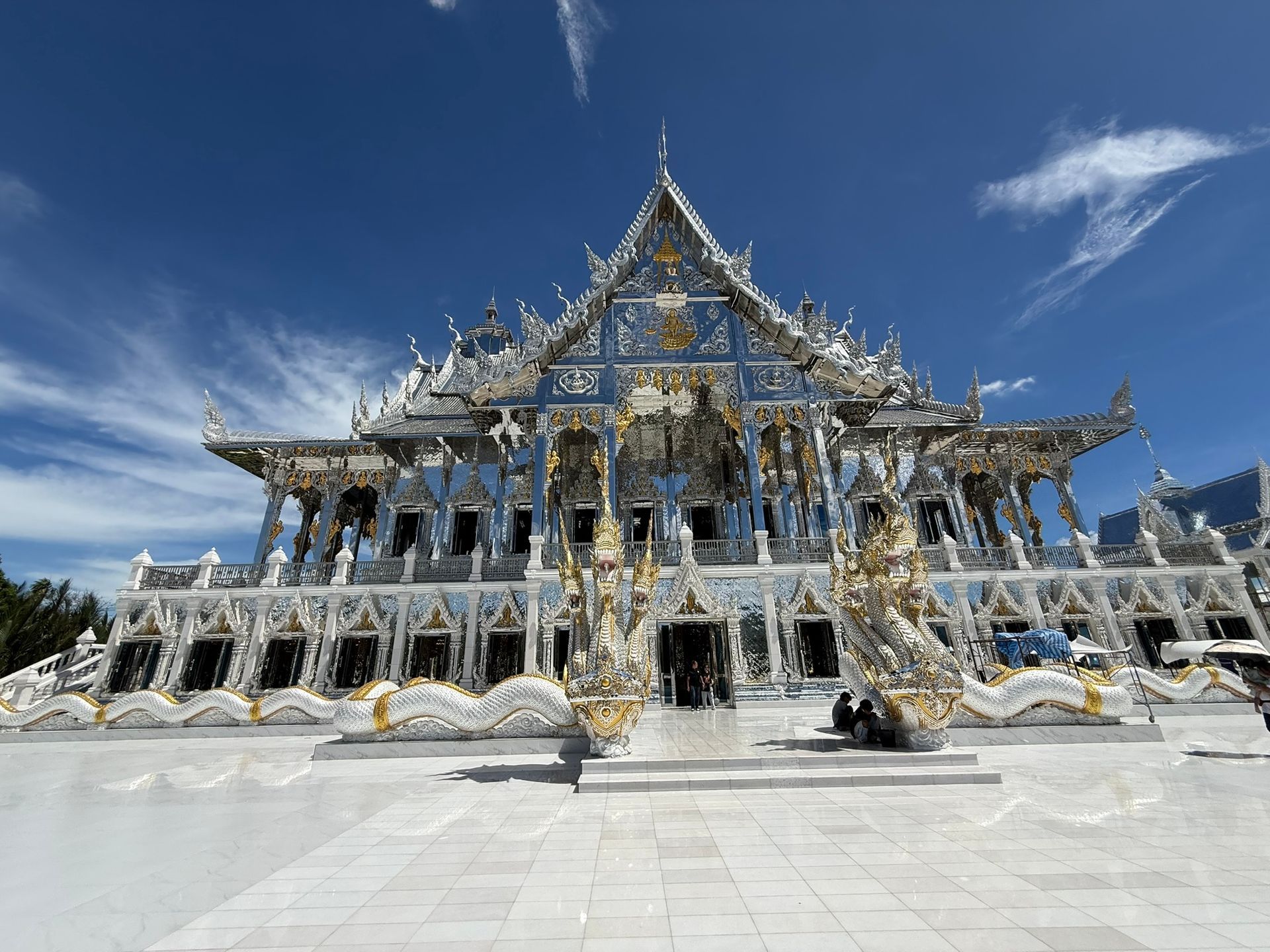
Wats — from the Pali-Sanskrit vāṭa, meaning enclosure — are the Buddhist temple-monasteries that have anchored Thai religious, educational, and communal life for centuries. Each wat is a walled precinct that sets sacred ground apart from the everyday world, organising a constellation of distinct structures within it: the ubosot (ordination hall) reserved for monastic rites, the wihan (assembly hall) housing the principal Buddha image, the chedi or prang enshrining relics, the ho trai (scripture library), the sala for lay gatherings, and the kuti quarters where monks reside. Beyond their devotional function, wats serve as repositories of art, architecture, and learning, and they carry distinct regional character across Thailand: the gilded teak-and-stucco refinement of the Lanna north, the formal classicism of the central plains, the vernacular simplicity of Isan in the northeast, and the Sino-Malay inflections of the south.
วัด — มาจากคำในภาษาบาลี-สันสกฤต วาฏ ซึ่งแปลว่า "เขตล้อมรั้ว" — คือศาสนสถานและสำนักสงฆ์ในพุทธศาสนาที่เป็นศูนย์กลางของชีวิตทางศาสนา การศึกษา และชุมชนของไทยมาหลายศตวรรษ. วัดแต่ละแห่งเป็นเขตที่มีกำแพงล้อมรอบ แยกพื้นที่ศักดิ์สิทธิ์ออกจากโลกภายนอก โดยจัดอาคารต่างๆ ไว้ภายใน ได้แก่ อุโบสถ (สถานที่ประกอบสังฆกรรม), วิหาร (อาคารประดิษฐานพระประธาน), เจดีย์ หรือ ปรางค์ (สถาปัตยกรรมบรรจุพระบรมสารีริกธาตุ), หอไตร (หอเก็บพระไตรปิฎก), ศาลา (อาคารสำหรับฆราวาส) และ กุฏิ (ที่พำนักของพระสงฆ์). นอกเหนือจากบทบาทเชิงศรัทธาแล้ว วัดยังเป็นแหล่งรวบรวมศิลปกรรม สถาปัตยกรรม และวิทยาการ และมีลักษณะเฉพาะที่แตกต่างกันตามภูมิภาคของประเทศไทย: ความประณีตของไม้สักปิดทองและปูนปั้นแบบล้านนาทางภาคเหนือ, แบบแผนคลาสสิกของภาคกลาง, ความเรียบง่ายตามท้องถิ่นของภาคอีสาน, และอิทธิพลจีน-มลายูในภาคใต้
FOOTPRINTS - Buddhapāda
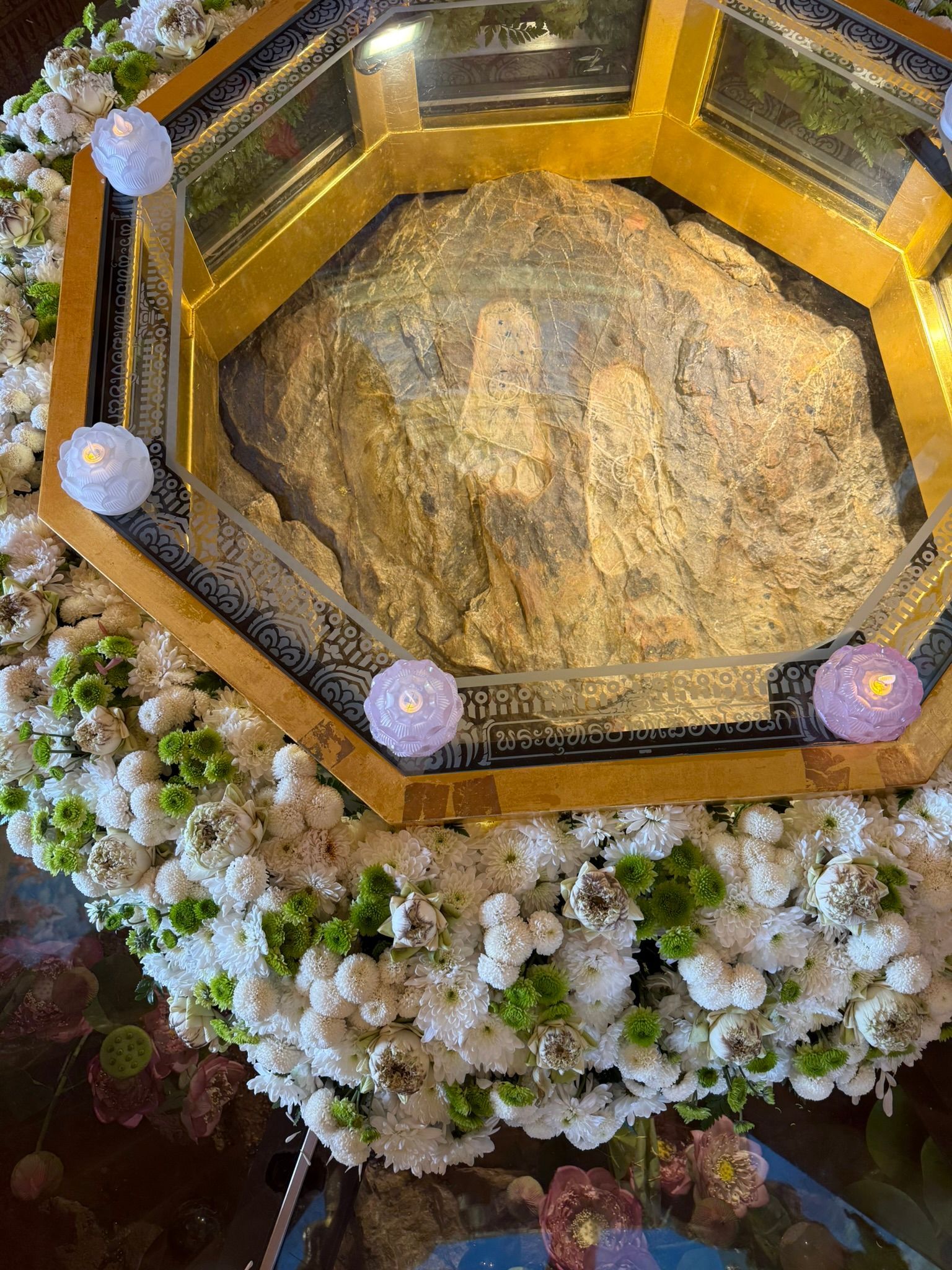
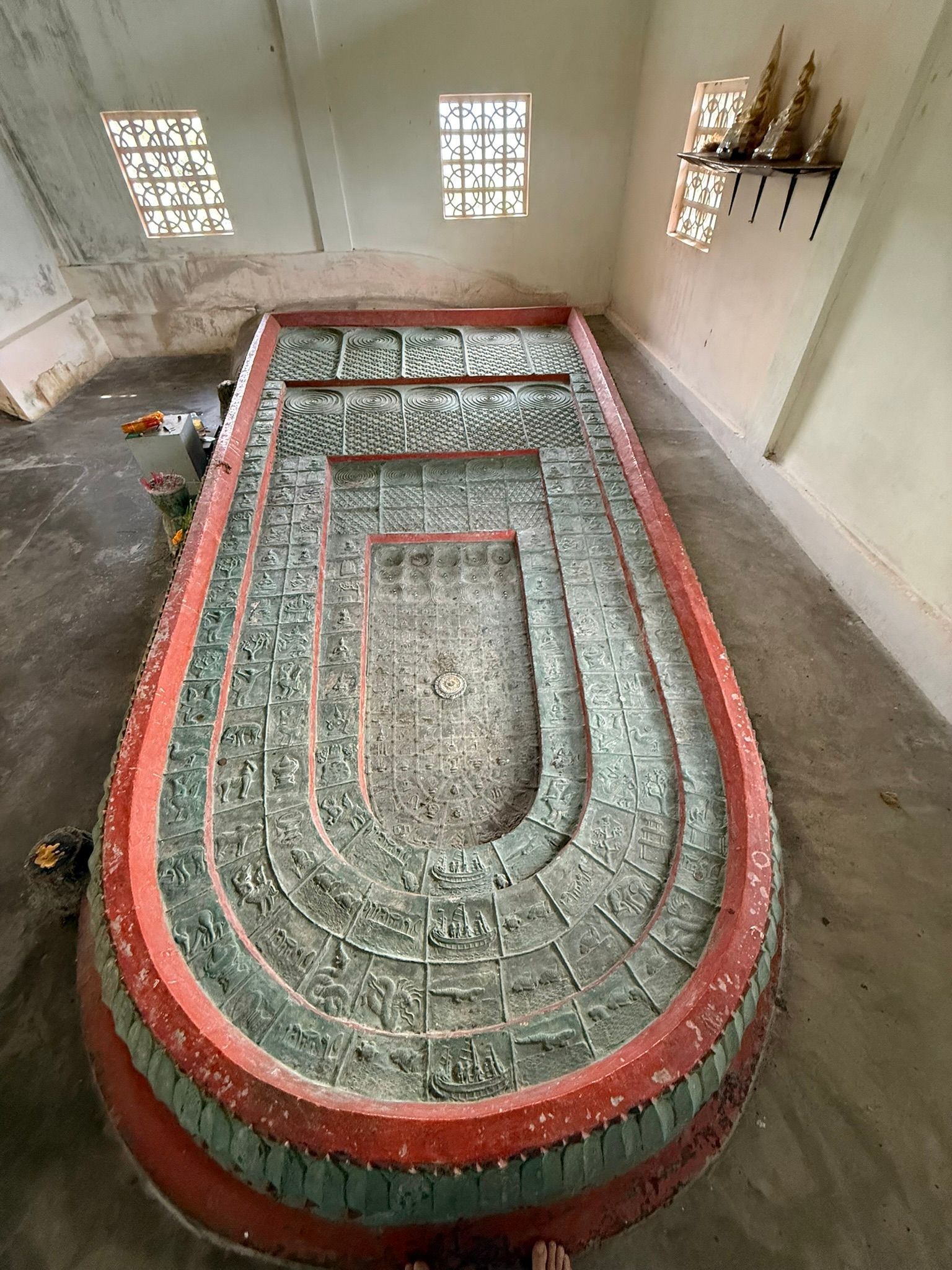
Buddhapada — literally "feet of the Buddha" — are among the most enduring auspicious symbols of Buddhist iconography, marking the places said to have been touched by the Buddha's passage on earth. They appear in two principal forms: concave footprints, denoting his physical presence, and convex soles raised in relief to display their characteristic marks. At the centre sits the Dharmachakra, the Wheel of Law, surrounded by auspicious symbols (mangala) arranged in patterns of 32, 108, or 132 — the 108-mark pattern being unique to the Theravada tradition transmitted in Pali. Beyond their devotional purpose of strengthening the practitioner's spiritual resolve, the footprints carry distinct regional meanings across Thailand: release from suffering and wisdom in the Lanna north, auspicious prosperity in the central plains, protection and longevity in the northeast, and safe passage in the south.
พุทธบาท — แปลตามตัวอักษรว่า "รอยพระบาทของพระพุทธเจ้า" — เป็นหนึ่งในสัญลักษณ์มงคลที่เก่าแก่และยั่งยืนที่สุดในพุทธศิลป์ บ่งบอกถึงสถานที่ซึ่งเชื่อว่าพระพุทธองค์ได้เสด็จผ่านบนแผ่นดินโลก. ปรากฏในสองรูปแบบหลัก คือ รอยพระบาทแบบเว้า อันแสดงถึงการประทับทางกายภาพของพระองค์ และฝ่าพระบาทแบบนูนที่สลักลวดลายอันเป็นมงคล. ณ ใจกลางคือ ธรรมจักร อันเป็นล้อแห่งพระธรรม ล้อมรอบด้วยเครื่องหมายมงคล (มงคล) จัดเรียงเป็นลาย 32, 108 หรือ 132 โดยที่ลาย 108 มงคลนั้นมีเฉพาะในประเพณีเถรวาทที่สืบทอดในภาษาบาลี. นอกเหนือจากบทบาทในการเสริมสร้างจิตใจของผู้ปฏิบัติแล้ว รอยพระพุทธบาทยังมีความหมายเชิงสัญลักษณ์ที่แตกต่างกันไปตามภูมิภาคของประเทศไทย: การหลุดพ้นจากทุกข์และปัญญาในล้านนาทางภาคเหนือ, ความเป็นมงคลและความเจริญรุ่งเรืองในภาคกลาง, การปกป้องคุ้มครองและอายุยืนในภาคอีสาน, และการเดินทางที่ปลอดภัยในภาคใต้.
Objects and Practice
This section examines Thai amulets (พระเครื่อง, Pra Khrueang) within the context of religious practice. It focuses on how these objects are produced, classified, and used. It includes the study of amulet types as well as their role within Thai Buddhist practice.
ส่วนนี้ศึกษาพระเครื่อง (พระเครื่อง, Pra Khrueang) ในบริบทของการปฏิบัติทางพุทธศาสนา โดยมุ่งเน้นกระบวนการสร้าง การจำแนกประเภท และการใช้งาน. เนื้อหาครอบคลุมการศึกษาประเภทของพระเครื่อง รวมถึงบทบาทของพระเครื่องในวิถีการปฏิบัติทางพุทธศาสนาไทย.
AMULETS
This section presents amulets across established art periods in Thailand but one, Post-Rattanakosin, which I have here introduced. The downloadable Excel file summarizes the amulets presented.
Amulet History 1 Tavaravadi Period, Haripunchai (2024) (updated with Buddha postures)
Amulet History 2 Srivijaya period (2024) (updated with Buddha postures)
Amulet History 3 Lopburi period (2024) (updated with Buddha postures)
AMULET LISTINGS
This section presents lists of amulets according to their purpose.
Amulets - Listing According to Powers (list of amulets according to one's wished achievements in life)
Amulets - Birthday Listing (list of amulets according to the birth week day)
KNOWLEDGE LINKS
This is a non-exhaustive list of links to amulet-related websites, yet what I think useful to gain further knowledge of Thai amulets or to acquire (rent) some.
THAI BUDDHA IMAGE ADMIRATION ASSOCIATION especially its ENCYCLOPAEDIA OF AMULETS
NAIBORAN to gain knowledge on LAMPHOON AMULETS (e.g. Phra Rod)
RECLINING BUDDHA showing all the great monuments to visit across Thailand
Temples galore here: TEMPLE THAI
RENTING LINKS
This is a non-exhaustive list of links to rent (as the proper term goes, i.e. purchase) amulets via exporters from Thailand BILLIONMORE - a comprehensive range of amulets with casing services and kathas in English and MP3 (pretty rare and cool).
SOURCES
A word of caution pertaining to sources: those provided do not necessarily cover the spectrum of my online research endeavors, since such sources are likely to move or get deleted defeating any sound referencing system. The aim of this page is educational and scientific, and I take it that all sources made available on the internet are public domain, unless otherwise specified by publicly-announced copyright restrictions.